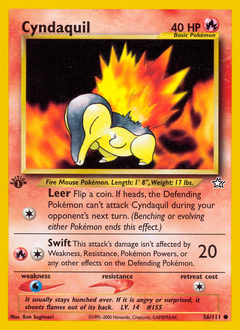
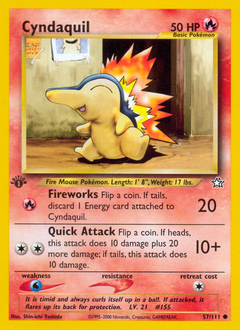
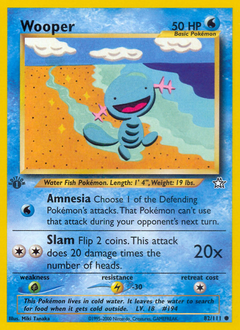
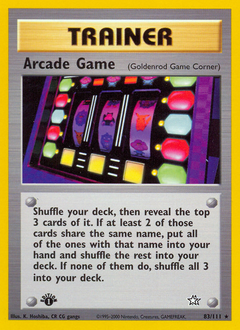
How many cards are in Neo Genesis?
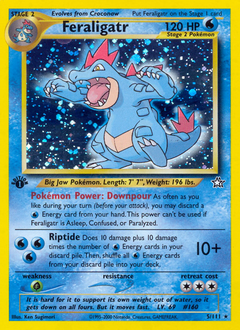
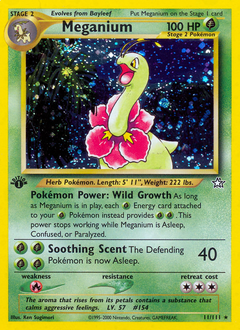
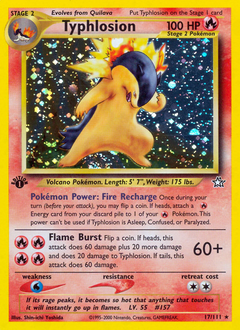
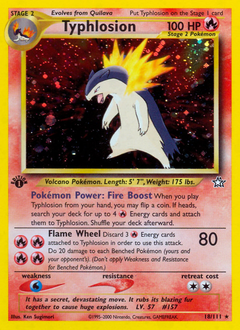
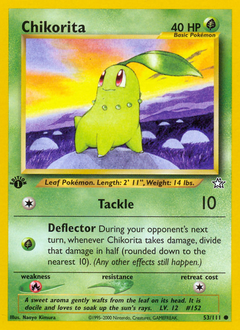
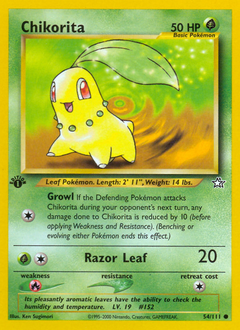
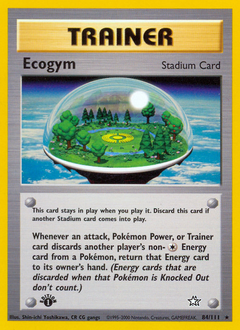
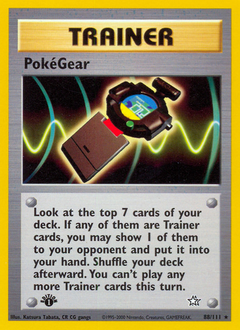
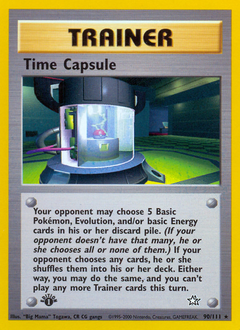
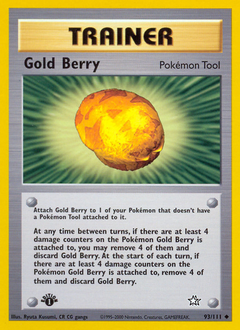
Neo Genesis has 111 cards: 19 holo rares at numbers 1–19, 16 rares, 35 uncommons and 41 commons. It released in English on December 16, 2000.
What is the difference between Neo Genesis 1st Edition and Unlimited?
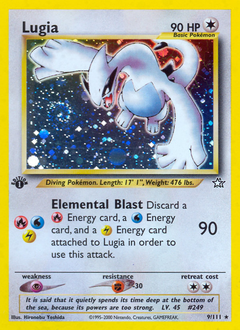
The Edition 1 stamp and nothing else — same artwork, same cards. The 1st Edition run came first and is the scarcer of the two, which is where the price gap comes from on every card in the set, Lugia included.
Is there a Shadowless Neo Genesis?
No. Shadowless is a Base Set distinction from 1999; the Neo era is a year later and never had a Shadowless run.
Does Neo Genesis have reverse holos?
No. Reverse holos do not exist until Legendary Collection in 2002. A “reverse holo Neo Genesis” listing is a mistake.
How do I tell a 1st Edition Neo Genesis card?
The Edition 1 stamp outside the lower-left of the illustration box, plus the Neo Genesis set symbol beside the card number. The stamp answers which printing; the symbol answers which set.
How many holo cards are in Neo Genesis?
19 — numbers 1 to 19, with Lugia #9 at the top. That is the largest holo count of the four Neo sets.
What new mechanics did Neo Genesis introduce?
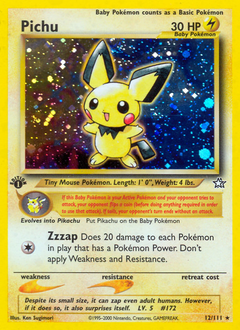
Three that mattered: Generation II Pokémon in the English game, the Darkness and Metal Energy types, and the Baby Pokémon — small Basic Pokémon that evolve into the regular Basic of the same line.
What is the most expensive Neo Genesis card?
Lugia #9 in 1st Edition. It is the set’s defining card and the reason Neo Genesis is one of the few Neo sets with a four-figure single.