Did you just uncover your childhood binder, inherit a vintage collection, or decide it's time to turn cards into liquid cash?
If you start Googling, you will find generic listicles written by authors who have never shipped a single bubble mailer in their lives, corporate trade-in buy lists offering pennies on the dollar, and outdated forum threads.
Selling cards profitably comes down to understanding the actual market value of what you hold, then matching the cards to the channel that gives you the best return for your time.
Step 1: Checking What Your Cards Are Actually Worth
Before you take a card into a store, message a local buyer, or create a single listing, you need an accurate estimate of its current cash value. Rushing into a sale without checking real numbers is how sellers leave 40% to 70% of their money on the table.
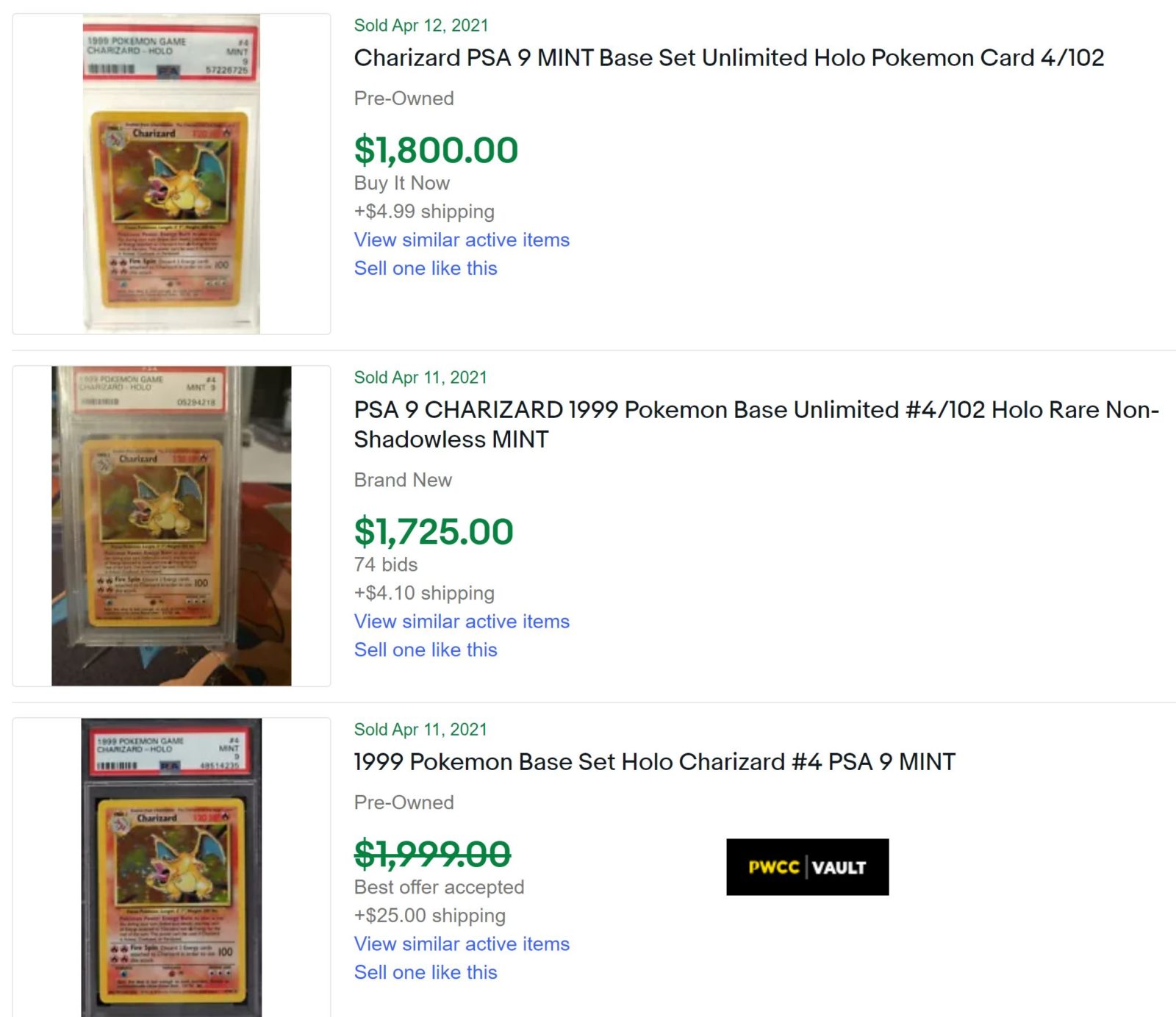
Why eBay Last Sold Listings Are the Real Benchmark
The most common rookie mistake is opening eBay, typing in a card name, and looking at the current active listings. Anyone can list a worn, damaged card for $5,000. That does not mean anyone is buying it.
What matters are Completed & Sold Listings on eBay. Real sold transactions are the universal currency of the trading card market—they are what card show vendors and local card shop owners pull up on their phones when evaluating a trade or negotiating a cash buyout.
- Search the exact Card Name, Set, and Number: Type in specific details like "Base Set Unlimited Charizard 4/102" or "Fossil Gengar 5/62 Holo". If your card is printed in Japanese, add "Japanese" to the end of your search phrase.
- Apply Filters: On mobile, tap Filter → Show More → toggle on "Sold Items" (which automatically turns on "Completed Items"). On desktop, scroll down the left sidebar under "Show Only" and check the "Sold Items" box.
- Look at the Green Sold Prices: Ignore the asking prices in black text; focus strictly on the recent green dates and sold amounts for cards in condition comparable to yours.
Top Valuation Tools & Mobile Scanner Apps Compared
While manual eBay filtering works, it is clunky and slow when pricing multiple cards. In practice, modern collectors and convention vendors rely on dedicated software to scan collections and surface clean market data in seconds:
| Platform / App | Core Superpower | How It Evaluates Cards | Monetization / Cost |
|---|---|---|---|
| Double Holo | Convention Vendor Favorite | Fast camera AI scan, clean verified sold comps, market momentum charts, in-app portfolio valuation. | Free to scan & track; 4.9% marketplace fee if buying/selling. |
| 130point.com | Best Free Desktop Web Tool | Uncovers the secret "Best Offer Accepted" prices that eBay keeps hidden; direct eBay sold comp search. | 100% Free (unsponsored; community hobby champion). |
| Collectr App | Massive Portfolio Tracker (4M+ Users) | Portfolio tracking across 20+ TCGs, P&L analytics, barcode & camera search, social showcases. | Free tier; Collectr Pro ($7.99/mo) for unlimited scans & advanced P&L analytics. |
| Dex / PokéItem / CardGrader | Specialized Card Tools | Live grading pre-screening (CardGrader AI), European card tracking (PokéItem), and curated creator deck tools. | Freemium tiers / subscriptions with creator referral programs. |
| PriceCharting | Historical Auction Price Database | Aggregates historical sales by grade tier (Ungraded, PSA 7–10, BGS, CGC); set price guides. | Free web lookups; paid subscription for bulk CSV & API access. |
Step 2: Sorting Your Cards into Realistic Value Tiers
Before deciding where to sell, take 20 minutes to physically sort your cards into three piles:
- Tier 1: Bulk ($4 and Under): Modern commons, uncommons, basic energies, and low-end non-holo rares. It is rarely worth the time, packaging supplies, or postage to list these individually online. With enough modern bulk, you can box them up and sell them together as a lot to move volume.
- Tier 2: Mid-Tier Singles ($5 to $100): Vintage holofoil cards, playable modern competitive singles, Illustration Rares, and mid-tier graded slabs. These are prime candidates for individual online sales on eBay or trade collateral at card shows.
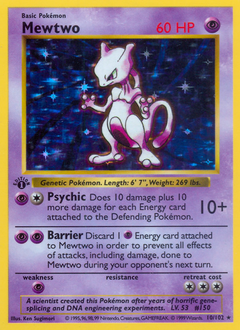
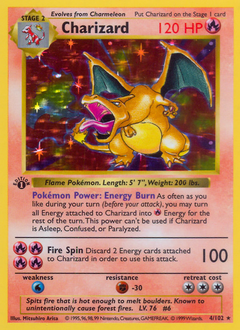
- Tier 3: High-Value Grails ($100 to $1,000+): 1st Edition Base Set, Shadowless holos, Crystals, Gold Stars, and high-grade slabs (PSA 9/10). These require dedicated authentication (like eBay Authenticity Guarantee) or in-person vendor negotiations.

Comparing Your Selling Options at a Glance
1. Where to Sell Pokémon Cards Near Me? (Facebook, Card Shops & Card Shows)
If you're searching where to sell Pokémon cards near me, you want the fastest realistic cash, not a listing that sits for a week. Around most towns there are three local doors, and they pay very differently for the same card: Facebook Marketplace buyers (60–75% of market), local card shops (50–60% cash, 70–75% store credit), and — our #1 pick when the timing works — card show vendors (70–85%). Here's how each one works and which to pick.
Facebook Marketplace & Collector Groups
- Moving Full Binders: If you have an 80-card vintage collection worth $1,500 total, photographing, listing, and shipping 80 individual packages takes 15–20 hours of labor. On Facebook Marketplace, you can find a local collector willing to buy the entire collection in one cash transaction.
- The Facebook Discount Reality (Expect 60%–75%): Buyers will almost always negotiate below asking — especially for a whole binder at once — as they factor in their own time and resale margin.
- Safety Protocols: Always meet in a public location with security cameras — a bank lobby (where you can immediately verify and deposit the cash) or a police station parking lot are the gold standards.
Local Card Shops (LCS)
The card shop is the simple option: walk in with cards, walk out with cash in 15 minutes — no listings, no meetups, no shipping. Expect 50% to 60% in cash or 70% to 75% in store credit based on recent sold comps, because the shop has rent, payroll, and carrying costs.
One heads-up before you load the trunk: not every card shop buys cards. Some stores are sealed-product or online-first and don't run a buy counter at all. Call ahead and ask "do you buy collections?" before driving anywhere.
Our advice: pick the shop lane when you want cash now or the fastest payout and convenience beats squeezing out every dollar — dumping modern bulk, small cards, or a quick binder clear-out. For genuinely valuable vintage, the next two options usually pay more.
Card Shows & Vendors: Our Top Pick for In-Person Cash
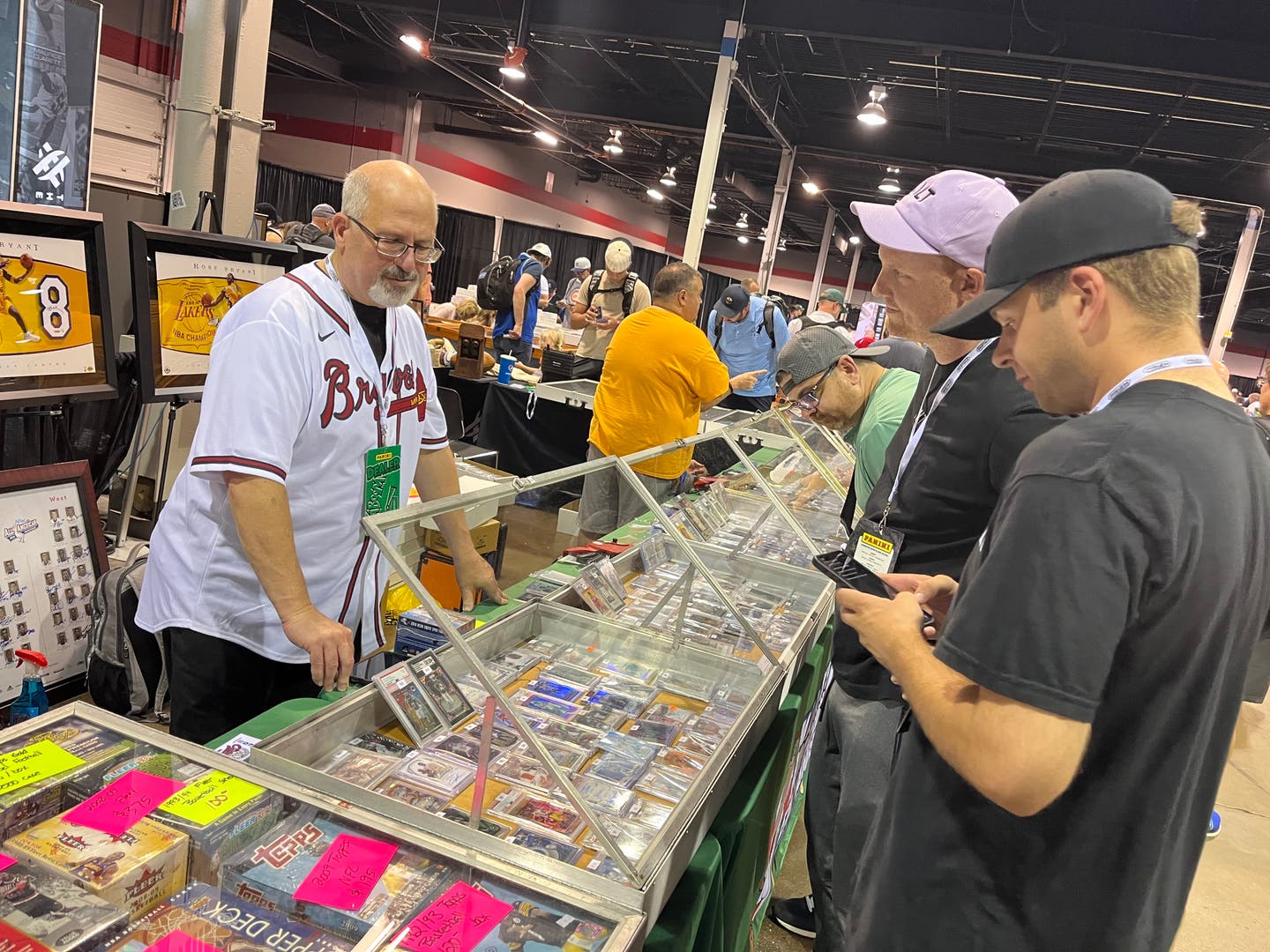
If a show or trade night is happening anywhere near you, this is the best in-person payout — period. Thirty to fifty independent vendors in one hall compete for fresh inventory, so you can walk a binder three tables over and get a second opinion in minutes. Clean vintage holos routinely bring 70–85% of sold comps in cash, and trades into grail slabs can hit 85–95% in trade value. The one downside: a show has to actually be happening near you soon enough — check the local calendar before you settle for a lower offer. The full breakdown is the next section.
Need Cash Today? Every Instant Option, Ranked by Payout
Same-day lanes compared — card show vendors, card shop counters, and Facebook buyers — with real payout math on what “instant” costs you.
2. Card Shows & Conventions: The Best In-Person Route (70%–85%+ Cash)
If a card convention, regional expo, or monthly trade night comes to your area, taking your collection to a card show is our #1 in-person recommendation. It consistently beats selling on Facebook Marketplace or walking into a local retail card shop.
- Why Shows Beat Facebook and Shops: You avoid dealing with flaky messages, no-shows, and safety worries on Facebook. And unlike a single retail storefront tied to fixed commercial rent, you have 30 to 50 independent vendors in one room competing for fresh inventory.
- Higher Real Cash Payouts (70%–85%+): Because show vendors have lower overhead and need inventory to flip, they routinely offer 70% to 85% of market sold comps in cash for clean vintage holos, popular modern chase cards, and graded slabs. If a card is rare or in high demand by a specific vendor, they will often pay even more.
- Multiple Real-Time Vendor Appraisals: You are not locked into one person's opinion. If Vendor A offers 60%, you can walk three tables over to Vendor B, chat about the hobby, and get offered 75% or 80%. It gives you immediate insight into how experienced vendors genuinely evaluate card condition.
- Tremendous Trade Power: If your goal is to stay in the hobby and upgrade your collection, vendors love trades. Trading multiple $40–$80 raw singles into a single high-grade PSA grail slab often yields 85% to 95% in trade value.
Dedicated Guide: Card Shows vs. Local Card Shops
How to navigate vendor trade nights, negotiate cash buyouts, and trade multiple singles up into grail slabs.
3. Selling Online: eBay, TCGplayer & Consignment Auctions
The best place to sell Pokémon cards online, short answer: eBay for anything vintage or worth $5+ — photo-driven listings, the biggest buyer pool, and the $250+ Authenticity Guarantee make it the vintage benchmark. TCGplayer for modern (2011+) volume singles — no photos needed. A premier consignment auction house only for ultra-grails, where competitive bidding can clear 110%+ of market. The full breakdown of all three is below.
For individual raw cards worth more than $5, selling directly to collectors or players online yields significantly more cash than letting a middleman or store buy them.
Selling on eBay: The Liquidity Capital
eBay is the premier marketplace for selling Pokémon cards—especially vintage singles and graded slabs. You can and should list your cards for 100% of full market value based on recent sold comps. However, as a newer seller, or if a card has lower search demand, pricing at 90%–95% of market comp (or accepting Best Offers) will help you secure fast sales and build up momentum.
- The $5 Single Rule: For raw singles worth $5 or more, selling individually on eBay consistently puts the most cash into your pocket. Under $5, individual listing fees, postage, and packaging materials begin eating into your profit.
- The Bundle Strategy: For cards worth $1 to $4 that aren't worth the postage or labor to ship individually, group them into themed lots (e.g., "12 Vintage Base Set & Jungle Non-Holo Lot") to create an appealing package that sells profitably in a single order.
- eBay Seller Fees: eBay charges roughly 13.25% final value fee on trading cards plus $0.30–$0.40 per order. On a $100 card sold with free shipping, you walk away with roughly $86.35 net cash.
- Seller Tier Progression: As you complete transactions and earn positive feedback (crossing 40 to 50 sales), eBay increases your monthly listing allowances and boosts your listing rank in search algorithms.
- Authenticity Guarantee ($250+ Safety Net): Single cards sold for $250 or more ship to independent authenticators (PSA) before reaching the buyer. Once verified and forwarded, buyer return disputes and chargeback fraud are permanently blocked.
Dedicated Guide: How to Sell Pokémon Cards on eBay
Learn exact listing title formulas, glare-free photo setups, pricing with Best Offer, and fee optimization.
Selling on TCGplayer: The Modern Volume King (2011+ Cards Only)
TCGplayer is the premier catalog platform for modern cards, tournament deck staples, and high-volume raw singles. However, you should not sell vintage cards on TCGplayer.
- The 2011+ Sweet Spot: If your cards are modern—specifically from the Black & White era (2011) to the present day—and in Near Mint or Lightly Played condition, you will do exceptionally well on TCGplayer. Competitive players buy cards by name and set in combined bulk carts.
- No Individual Photography Needed: Simply select the card name, set, and condition grade, enter your quantity, and list in seconds.
- TCGplayer Seller Fees: TCGplayer charges a marketplace fee of 10.25% plus a payment processing fee of 2.5% + $0.30 per transaction (roughly 12.75% total).
- Why Vintage Cards Struggle on TCGplayer: Vintage collectors expect microscopic condition accuracy (centering, surface holo scratches, corner silvering). Because standard TCGplayer listings do not display individual photos, buyers have ultra-picky expectations, leading to frequent condition disputes. Keep vintage on eBay where photos do the talking.
High-End Consignment Auctions: When Do They Make Sense?
If you hold an ultra-rare grail card or trophy slab—such as a 1st Edition Base Set Charizard, a Shining Tyranitar, or a Gold Star Rayquaza—consigning with premier auction houses like Goldin Auctions or Heritage Auctions (or top weekly eBay consignors like DCSports87) can be a smart move.
- How Auction Fees Work: Premier platforms like Goldin charge 0% seller commission on eligible items (taking their revenue from a ~22% buyer's premium added on top of the hammer price). Heritage typically negotiates seller commissions between 5% and 15%.
- Expected Payout Dynamics (70% to 110%+): Auctions are a double-edged sword. If your card isn't in extreme demand or the auction timing is quiet, unreserved auctions can hammer below market value (netting 70%–80%). However, for marquee, rare grails, competitive bidding wars between wealthy international collectors can blow past historical records—yielding 110%+ of estimated comps.
Should You Grade Before Selling? (The PSA Value Multiplier)
Before selling any valuable vintage card, your first step should be to check what that card could be worth if graded. Open the Double Holo app or check 130point to look up the sold prices for your exact card across PSA 7, PSA 8, PSA 9, and PSA 10.
The Golden Grading Rule: If you believe your card is in clean enough condition to earn a strong grade, and the post-graded market price significantly exceeds the raw value plus the grading fee ($15–$25+ per card), grading with PSA (Professional Sports Authenticator) is our primary recommendation for unlocking maximum potential value. A clean childhood collection that was kept safely in penny sleeves can easily double or triple in total cash value once graded by PSA.

CardGrader AI — Instant Pre-Grading Scan
Don't want to spend hours with a jeweler's loupe trying to calculate 55/45 centering ratios or inspect corner silvering? CardGrader AI lets you point your smartphone camera at any card for an instant automated grade prediction and centering analysis. It gives you 3 free scans every day, helping you instantly filter which raw cards are worth sending to PSA before spending non-refundable grading fees.
Coming Soon: The Complete Collector Guide to Grading Pokémon Cards
Our deep-dive walkthrough on evaluating centering, surface holo scratches, edge whitening, and calculating exact grading ROI before you submit.
4. Selling Online? Read the Shipping Supply Stack Guide First
Packing and shipping cards the right way from day one saves hours of time and hundreds of dollars in avoided refund disputes — and it's where most new sellers get burned. We moved the full walkthrough to its own guide: How to Ship Pokémon Cards: The Collector's Shipping Supply Stack — the two shipping methods every seller needs ($0.64–$1.11 tracked envelopes under $20; $3.80–$4.50 Ground Advantage over $20), the 5-layer packing stack, and the exact mailers, toploaders, and scale we recommend with links.
If you plan on selling online or shipping cards to buyers anywhere — eBay, TCGplayer, or a buylist — read that guide before your first shipment. If you're selling in person only (the sections above), you can skip shipping entirely.
Frequently Asked Questions
Do pawn shops buy Pokémon cards?
Most pawn shops either decline raw cards entirely or offer just 10% to 20% of real market value because they lack specialized TCG authentication and fear counterfeits. Avoid pawn shops for Pokémon cards—you will walk away with 3x to 4x more cash by visiting an independent vendor at a regional card show.
How do card show vendors decide what to offer?
Vendors look up recent Completed & Sold listings on the Double Holo app or 130point.com to find the current market average, then deduct a 15% to 30% margin depending on how liquid and desirable the card is. For clean vintage holos and top-tier chase cards, expect offers between 70% and 85% in immediate cash.
How much does eBay charge to sell Pokémon cards?
eBay charges a final value fee of approximately 13.25% on trading cards plus $0.30–$0.40 per order. On a card that sells for $100 with free shipping, you will net roughly $86.35 directly into your bank account.
Where can I sell my Pokémon cards for resale?
The same channels covered in this guide work for resale buyers and original sellers alike: eBay for the deepest buyer pool (90–100% of market value on singles over $5), card shows for fast cash at 70–85% of comps, and local card shops for instant store credit at 70–75%. Resellers flipping cards they just bought should re-check Completed & Sold listings first — the market moves week to week.
Is it worth selling Pokémon cards?
Usually, yes — but check two things first. Price your best cards against eBay Completed & Sold listings (not asking prices), because clean vintage from 1999–2003 regularly surprises people. And before dumping anything pre-2003 at bulk prices, remember the WotC hold pattern: cards that were pennies in 2020 now fetch $3–$15+. If your collection is mostly modern bulk, selling makes sense; if it's vintage, price it properly before letting it go.
Does GameStop buy Pokémon cards for cash?
Most GameStop locations no longer accept trading cards, and the ones that do offer store credit at steep discounts rather than cash — their trade-in model is built for video games, not graded collectibles. You will do dramatically better at an independent card shop (50–60% cash) or a card show vendor (70–85% cash), both covered in detail in this guide.
Who pays most for Pokémon cards?
eBay buyers pay the most — 90–100% of real market value, because you're selling to the entire national collector pool at the same prices vendors themselves anchor to. Card show vendors come next at 70–85% cash, Facebook Marketplace and binders-at-once deals run 60–75%, and local card shops pay 50–60% cash or 70–75% store credit. The more work you do (listing, photographing, shipping), the higher the percentage you keep.
What supplies do I need to ship Pokémon cards safely?
The core stack is cheap: penny sleeve, 35pt toploader, a rigid mailer, and (over $20) a Ground Advantage bubble mailer with tracking and insurance. The complete 5-layer stack with exact product links is our shipping supply stack guide.
How do I sell Pokémon cards for cash instantly?
Your three practical same-day lanes: a card show vendor (70–85% of sold comps, cash in hand — our top pick when a show is within reach), your local card shop (50–60% cash, always open — call first, not every shop buys), or a Facebook Marketplace buyer (60–75%, you set the meeting place). The complete ranked list with payout math is the instant-cash guide.