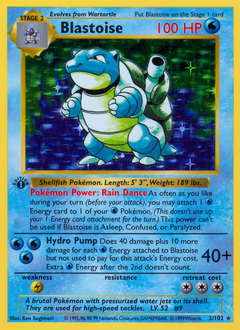
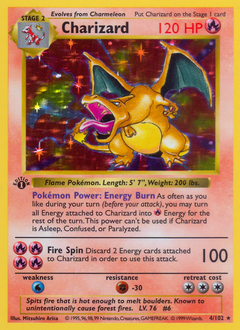
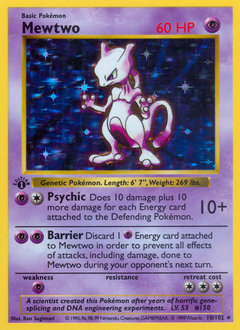
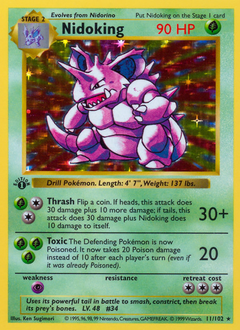
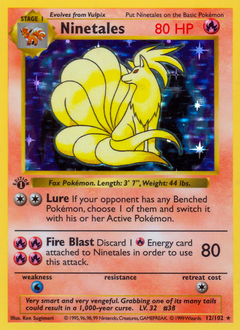
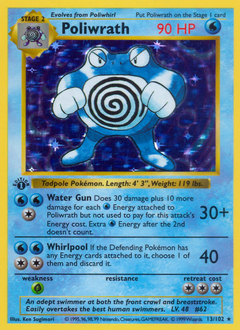
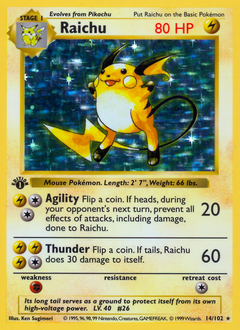
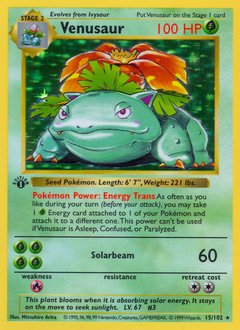
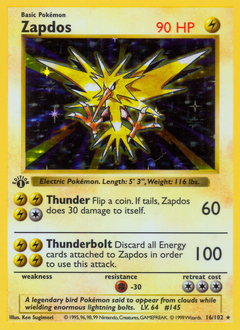
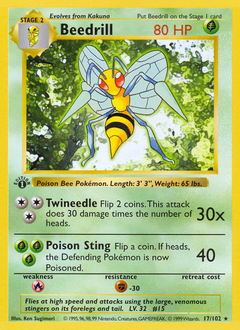
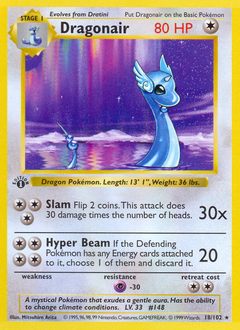
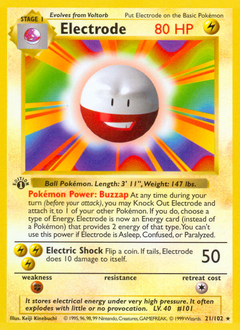
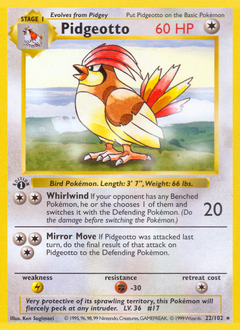
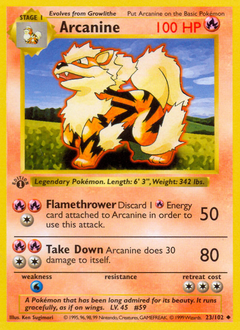
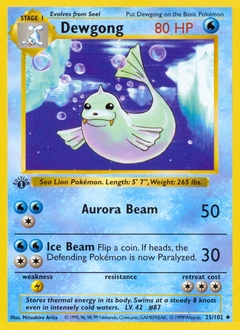
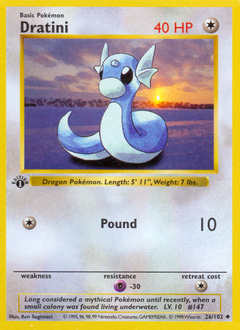
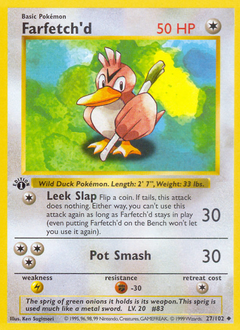
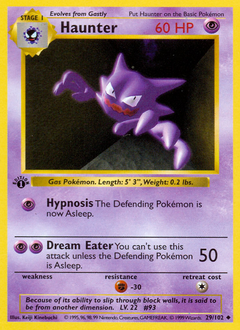
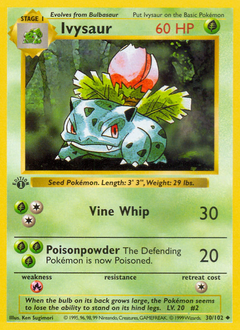
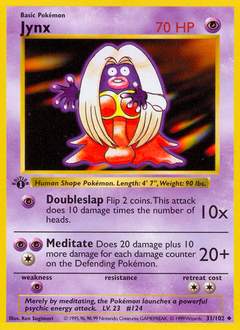
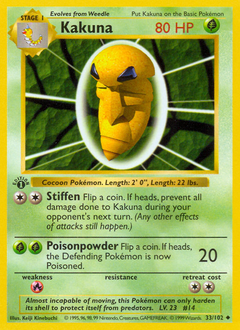
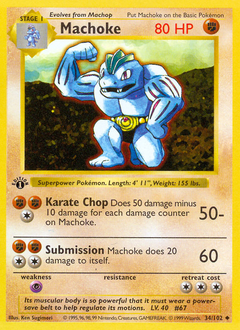
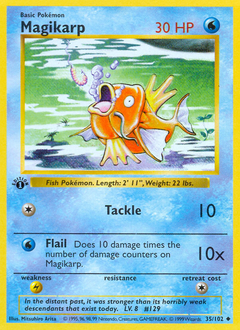
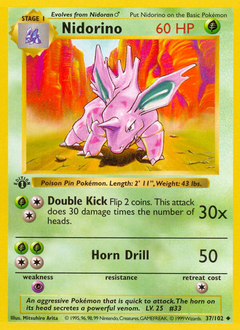
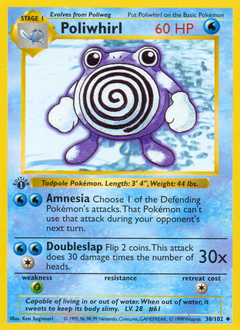
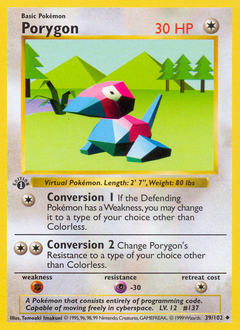
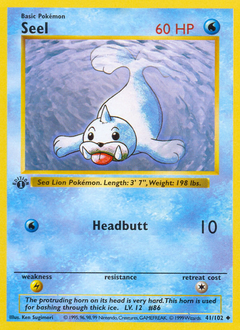
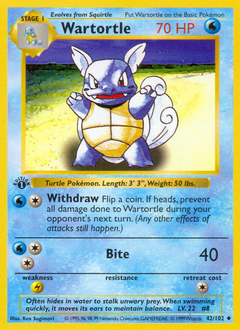
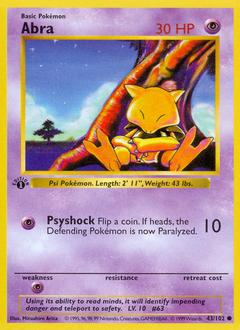
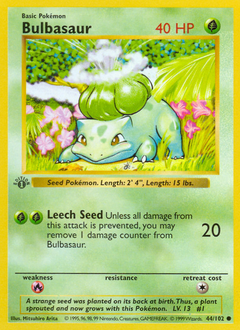
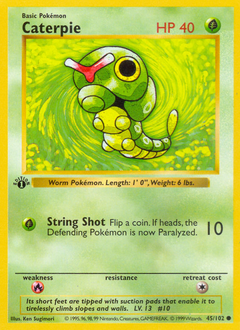
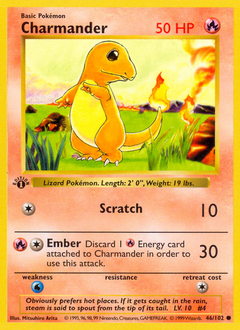
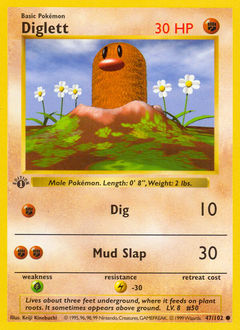
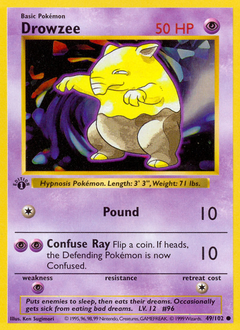
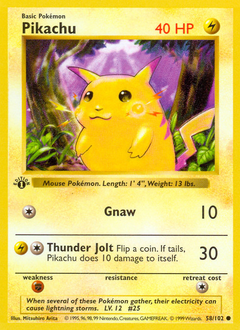
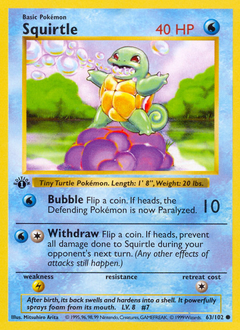
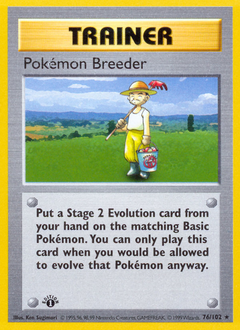
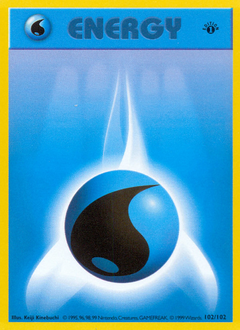
All 427 Base Set cards — 1st Edition, Shadowless, Unlimited, 1999-2000 and variants and errors — priced raw and at PSA 7–10, ranked by what a raw copy could be worth in a PSA 10 once you pay to grade it. The same list you can sort by budget in the full tool, kept to this set.
Base Set has 102 cards, and 16 of them are holo rares — card numbers 1 through 16. It released in English on January 9, 1999, and all 102 cards exist in each of its four printings.
Yes — and Shadowless is a Base Set distinction only. It is what shipped between 1st Edition and Unlimited: the same artwork on the same plates, minus the Edition 1 stamp, because dropping the stamp meant not loading that plate. The rule to hold on to: every 1st Edition Base Set card is Shadowless, but not every Shadowless card is 1st Edition. No other WotC set has a Shadowless print.
Does Base Set have reverse holos?
No. Reverse-holo finishes do not appear in the Pokémon TCG until Legendary Collection in 2002. A 1999 Base Set card with a reverse-holo pattern on it is not a Base Set card.
There isn’t one. Base Set is the only main WotC expansion printed with no set symbol at all — the symbol system starts with Jungle’s leaf in June 1999, and Base Set 2 adds a “2”. That is why a symbol-less card is usually Base Set: read the copyright line and the artwork, not the symbol.
How many holo cards are in Base Set?
16 — numbers 1 to 16, from Alakazam to Zapdos. One wrinkle matters: Machamp #8 is a holo rare in the set but was never sold in a booster pack. The whole print run went into the 2-Player Starter Set, and every holo Machamp carries the Edition 1 stamp — so 1st Edition Machamp is one of the cheapest holos in the set, while the Shadowless one trades well above it.
What is the most expensive Base Set card?
By a wide margin, Charizard #4 in 1st Edition. Next is the same card in Shadowless, then Blastoise and Venusaur in 1st Edition. Base Set’s value is concentrated in the 16 holos; the non-holo rares and uncommons are common in every printing.
The Direct Answer
Base Set is the 102-card set that launched the Pokémon TCG in North America on January 9, 1999. It is the only set Wizards printed more than once in the same year — the presses were re-plated four separate times, so the same 102 cards exist in four distinct printings, and which one you are holding is most of what the card is worth. A 1st Edition Bulbasaur and an Unlimited Bulbasaur are identical artwork with identical set numbers, and one sells for roughly eighty times the other.
1st Edition Base Set — Full Card Review Guide
All 102 cards, each with a written review: how to identify the printing, what the
population reports say, and what people actually get wrong on that card.