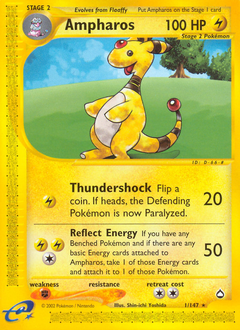
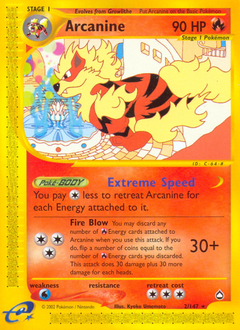
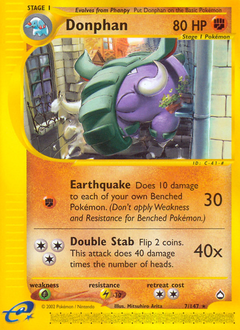
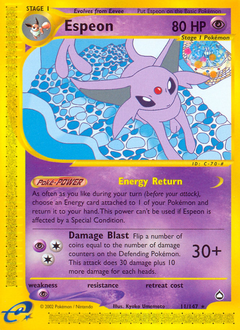
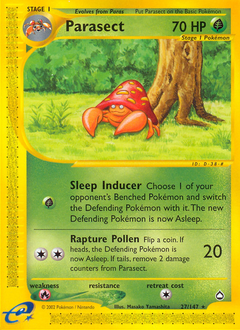
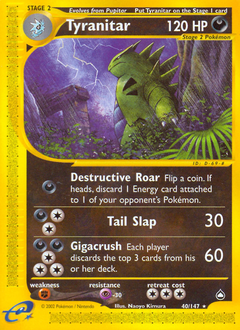
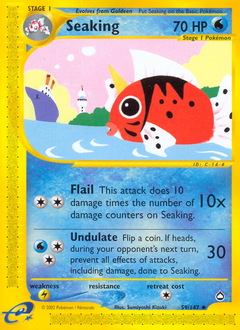
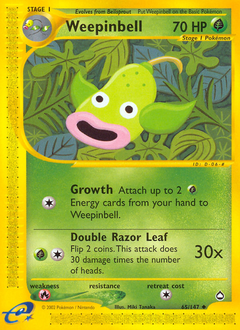
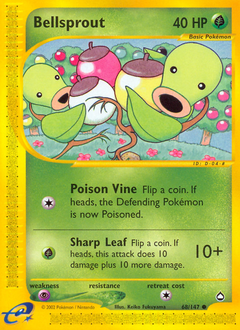
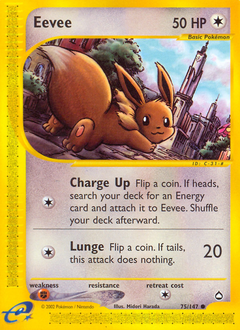
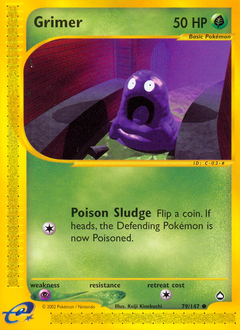
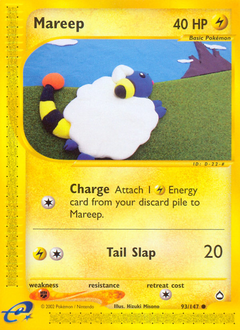
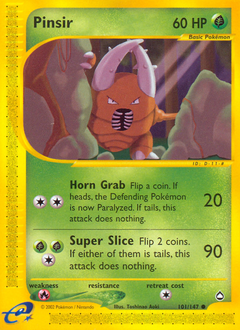
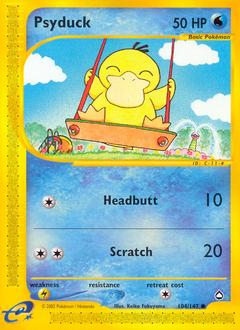
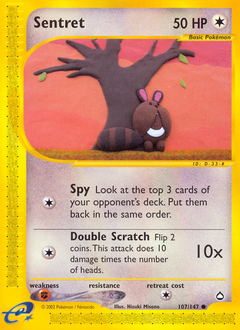
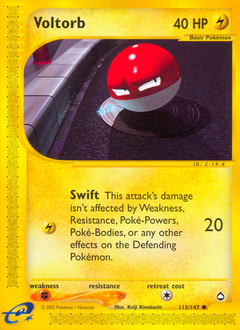
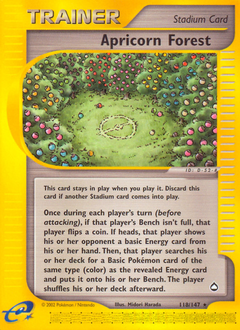
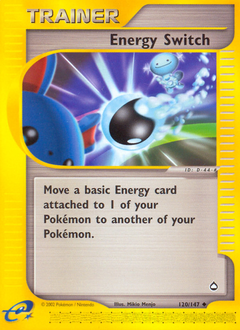
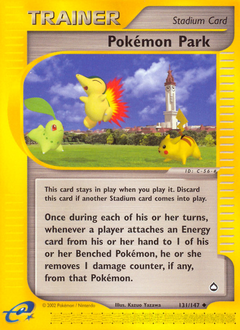
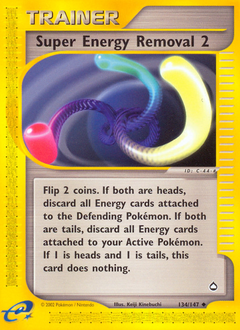
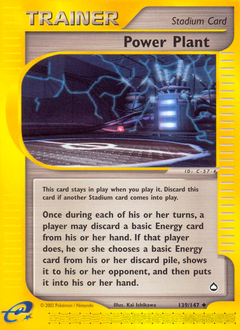
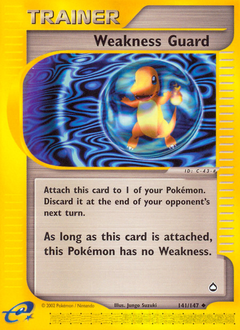
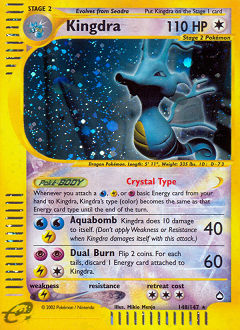
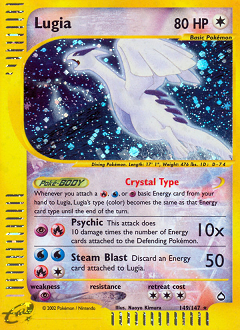
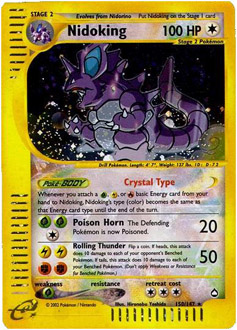
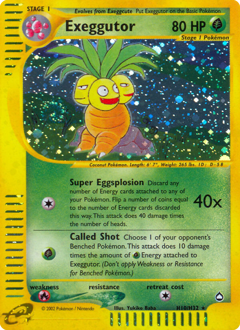
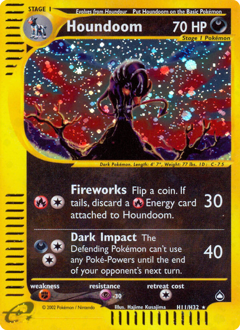
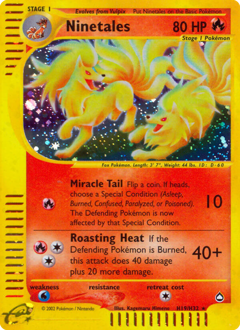
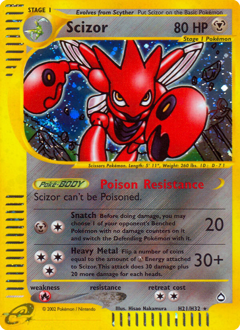
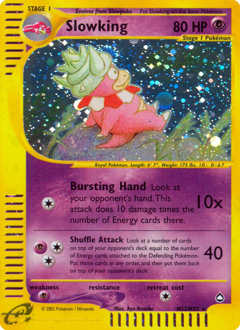
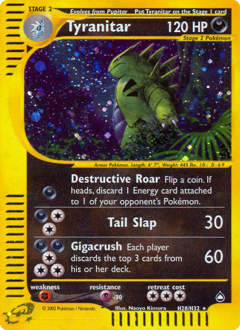
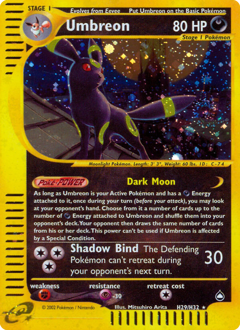
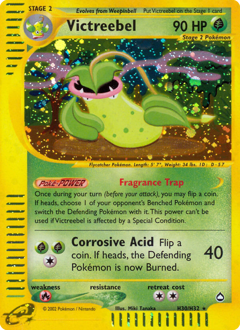
Aquapolis was released January 15, 2003 and is the most awkward set in the era to count: 147 numbered cards, 32 holo rares numbered H01–H32 outside that run, and three secret rares above the set (148/147 to 150/147, with Lugia at 149) — 186 cards in all, because four of the numbers in the run are printed as two lettered versions each (50a/50b, 74a/74b, 95a/95b and 103a/103b). Reverse holos run across the whole set, and there is no 1st Edition. Explore the complete AQ visual card list, organised by printing — and every card here links to its own record, with prices, variants and what to check before you buy.
All 336 Aquapolis cards — Unlimited and Reverse Holo — priced raw and at PSA 7–10, ranked by what a raw copy could be worth in a PSA 10 once you pay to grade it. The same list you can sort by budget in the full tool, kept to this set.
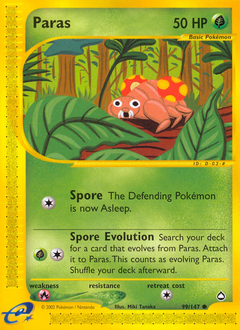
Aquapolis is built from three numbering runs: 147 numbered cards, 32 holo rares numbered H01–H32 outside that run, and three secret rares (148/147, 149/147 and 150/147). It released in English on January 15, 2003.
Because the e-Card sets gave their holo rares a separate numbering sequence with an H prefix, so the holo run sits beside the main set rather than inside it. A card reading H14/H32 is a holo rare — the number tells you it is one before you look at the foil.
Three cards numbered above the 147-card run: 148/147 Kingdra, 149/147 Lugia and 150/147 Nidoking. Lugia is the set’s top card.
No. 1st Edition stamps ended with Neo Destiny in February 2002.
Yes. Every card in the set has a plain and a reverse-holo version, and the reverse holos are the harder of the two to find clean.
No. Shadowless is a Base Set printing from 1999.
32 — every one numbered H01 to H32 in its own sequence.
Lugia 149/147, one of the three secret rares, and the reason people open Aquapolis at all.